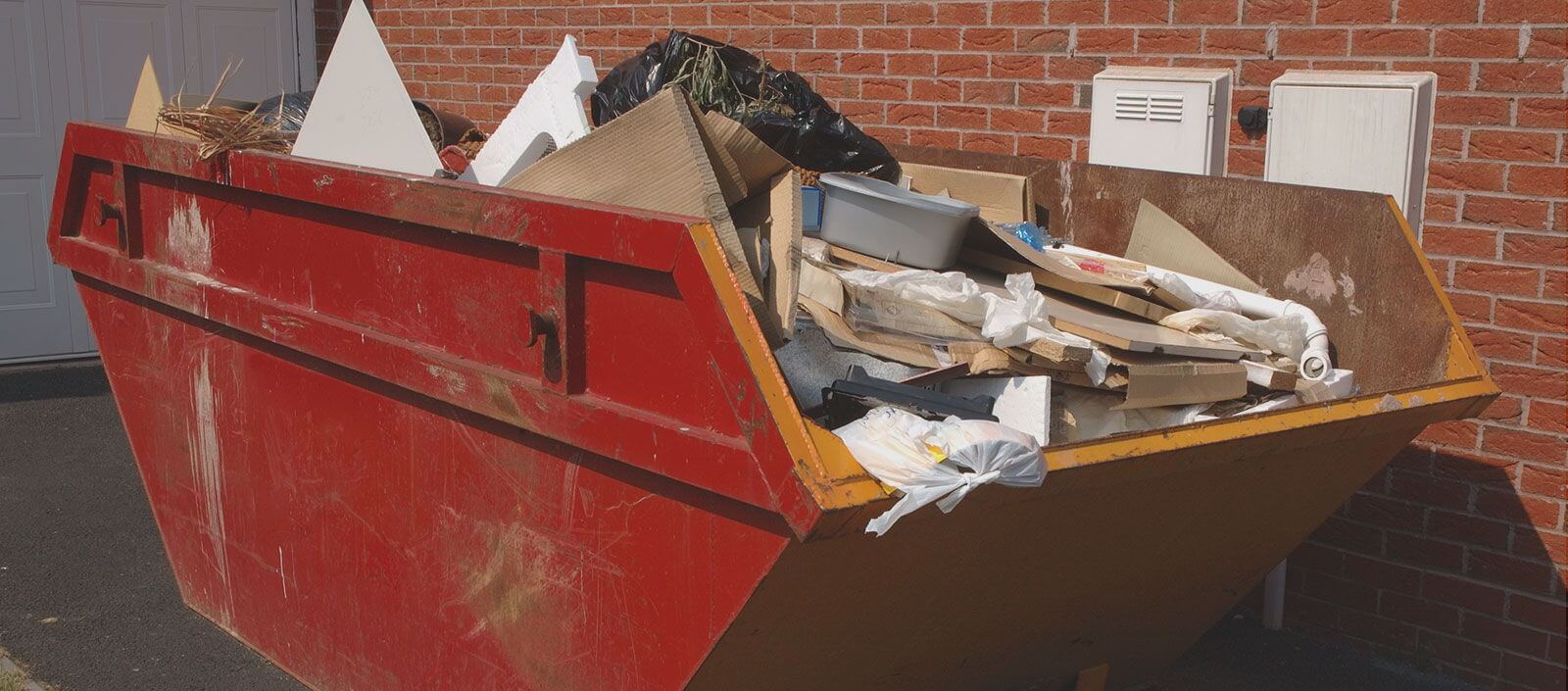
Dartmouth Park estate rubbish collection times and tips
Posted on 12/10/2026
If you live in or manage property around Dartmouth Park, rubbish day can feel oddly high-stakes. Miss the collection window and suddenly there's a bin bag sitting out too long, a pavement cluttered with boxes, or a bulky item that has nowhere to go. This guide to Dartmouth Park estate rubbish collection times and tips is here to make the whole thing easier, whether you're a resident, landlord, tenant, or someone sorting a one-off clear-out.
The truth is, good waste routines save time, reduce headaches, and keep shared spaces looking decent. They also help avoid that slightly grim Monday-morning sight: bags torn open after an overnight wait. Let's make it straightforward, practical, and local enough to be useful.

Why Dartmouth Park estate rubbish collection times and tips Matters
Collection times matter because rubbish is one of those everyday things that only becomes visible when it goes wrong. A missed collection can mean odours, pests, complaints from neighbours, and a quick downgrade in how a building or street feels. In a place like Dartmouth Park, where many homes, estates, and mixed-use properties depend on tidy shared access points, timing is not just a convenience. It's part of keeping the whole site working properly.
There's also a practical side. If you put waste out too early, it can attract attention before the collection team arrives. Too late, and it may be left behind for another round. That small window can be the difference between a smooth pickup and an annoying backlog. Not glamorous, I know. But very real.
For estate managers, landlords, and busy households, having a repeatable routine is often better than trying to remember collection day from memory. One small calendar reminder can save a lot of faff. And if you've ever dragged a heavy bin bag out at the wrong hour in the rain, you already know why this matters.
Expert summary: the most reliable rubbish collection routine is the one people can actually follow every week. Keep it simple, keep it visible, and match it to how your household or estate really operates.
If your rubbish volumes are increasing because of a move, refurbishment, or seasonal clear-out, it can also be worth looking at a broader service such as domestic waste collection in Tufnell Park or, for larger jobs, waste removal in Tufnell Park. Different situations call for different approaches, and that's fine.
How Dartmouth Park estate rubbish collection times and tips Works
At a basic level, estate rubbish collection works by matching your waste presentation to the agreed collection schedule. That usually means knowing which day collections happen, what time bins or bags should be out, and which materials are accepted in each container. Some estates use communal bins; others rely on individual household bins placed in a shared pickup point. A few have a mix of both, which is where things can get a bit fiddly.
The key is to treat the collection time as a service window, not a vague suggestion. Depending on the arrangement, collections may happen early in the morning, later in the day, or across a set route. You don't usually need to stand by the bin like a sentry, but you do need to make sure waste is ready before the collection team arrives. In practice, that often means putting bins out the evening before or first thing in the morning, depending on local instructions and the building rules.
Different waste streams often move on different schedules. General rubbish, dry recycling, food waste, bulky items, and garden waste are not always handled the same way. That is where people get tripped up. They assume all waste goes out together. It rarely does.
For example, a resident clearing out a flat after a tenancy change might have cardboard, old furniture, and mixed rubbish in the same week. A sensible approach would be to separate what can be recycled, arrange a furniture-only removal where needed, and keep general waste in the correct bin stream. If you need a specific service, pages like furniture removal in Tufnell Park and furniture disposal in Tufnell Park can be useful reference points.
In busy blocks, the practical rhythm often looks like this: sort waste indoors, move it to the collection point shortly before the allowed time, and bring anything rejected or missed back in promptly. Simple, but honestly that's where good systems are won or lost.
Key Benefits and Practical Advantages
Getting collection times right does more than keep the bins tidy. It can make the whole property feel calmer and more organised. Here are the main wins.
- Cleaner shared spaces: waste is less likely to sit around attracting smell, litter, or vermin.
- Fewer missed pickups: when everyone knows the routine, there's less confusion about timing.
- Better recycling outcomes: proper separation means less contamination and less recyclable material being wasted.
- Less neighbour friction: no one enjoys a hallway argument about who left a black bag in the wrong place.
- More efficient clear-outs: if you are moving home or refurbishing, a clear schedule helps you plan the right service at the right time.
There's also a smaller but real benefit: you think about waste less. And that's a relief. When a collection routine runs properly, it fades into the background, which is exactly where it belongs.
For landlords and managing agents, a sensible collection process can also support a more orderly property. That does not mean perfection, let's be realistic, but it does reduce avoidable mess. If you manage multiple bins or mixed waste streams, it may help to compare regular collections with a one-off clearance option such as house clearance in Tufnell Park or office clearance in Tufnell Park, depending on the setting.
Who This Is For and When It Makes Sense
This advice is useful for a wide group of people. If you recognise yourself in any of the below, you'll probably get value from tightening up your rubbish routine.
- Estate residents who need to know when to place waste out and when to bring bins back in.
- Landlords and managing agents trying to keep bin stores tidy and avoid complaints.
- Tenants who have just moved in and are still working out building rules.
- Homeowners planning a clear-out, garden tidy, or renovation.
- Small businesses that need dependable collection planning and a cleaner frontage.
- Anyone dealing with bulky items that won't fit into normal household bins.
It makes particular sense if your waste has become unpredictable. Maybe you've had guests, a refurbishment, a house move, or a lot of packaging from deliveries. Maybe the bins are always full before the scheduled collection day. Or maybe you're simply tired of guessing. To be fair, guessing is a poor waste strategy.
If you need something more regular than a one-off uplift, commercial settings may benefit from a dedicated commercial waste removal service, especially where waste volume changes from week to week.
Step-by-Step Guidance
Here's a practical way to handle Dartmouth Park estate rubbish collection times and tips without overcomplicating it.
- Confirm the collection day and bin type. Check the notice board, building handbook, or local instructions. If you live in a managed estate, the official routine may differ from the street outside.
- Separate your waste before collection day. Recyclables, food waste, general rubbish, and bulky items should be handled differently. Don't wait until the last minute. That's when mistakes creep in.
- Use the right container. Overfilled bins are more likely to be missed or left untipped. Lids should close properly where possible.
- Put waste out at the correct time. Some estates allow evening placement; others want items out early on the day. Follow the local instruction, not what someone in the next block does.
- Keep the collection point clear. Bins blocked by bikes, prams, or parked items can slow the crew down or prevent collection altogether.
- Bring empty bins back promptly. Left-out bins can create clutter, block access, and annoy neighbours. No surprise there.
- Report repeated problems. If collections are frequently missed or access is obstructed, raise it with the managing agent or the relevant service contact and keep a simple log.
A practical example: if you're clearing out a spare room on a Thursday night, don't dump everything at the communal point and hope for the best. Separate paper and cardboard, put broken items aside for specialist removal if needed, and stage the rest for the correct pickup day. A little effort upfront saves a lot of sorting later.
For bigger jobs, think in layers. Normal household waste first, recyclable material second, then bulky or awkward items last. That order usually keeps things manageable and avoids cluttering the bin area.
Expert Tips for Better Results
Small habits make a big difference here. These are the tips that tend to save people time and frustration.
- Set a recurring reminder. Use your phone calendar and label it clearly, such as "Bins out" or "Waste day." It sounds basic, and it is. Basic works.
- Keep a mini waste kit. Spare bin liners, tape, gloves, and a marker pen can make sorting and labelling much easier.
- Flatten cardboard properly. This saves space and helps prevent overflow, especially after deliveries.
- Watch for weather. Rain, wind, and early dark evenings can turn a tidy bin routine into a mess very quickly. On a windy morning, loose paper has a life of its own.
- Use the right service for the right waste. A bin collection is not always the answer for furniture, white goods, or construction debris.
- Keep bins visible but not obstructive. In some shared spaces, tucked-away bins get forgotten. In others, they become trip hazards. Balance matters.
- Ask about building-specific rules. Some estates have stricter timing or access requirements than standard street collections.
One small human tip: if you live with other people, agree who is responsible for putting bins out and bringing them back. Otherwise, everyone assumes someone else did it. And then, well, nobody did. Happens all the time.
If you are handling garden cuttings, old plant pots, or soil from a weekend tidy-up, a dedicated service such as garden waste removal may be a cleaner option than trying to force everything into general bins.

Common Mistakes to Avoid
Most waste problems are not dramatic. They're ordinary mistakes repeated often. The good news is that they're easy to avoid once you know what to look for.
- Putting rubbish out too early: this can create mess, attract pests, or lead to complaints.
- Missing the collection window: a late bag is often a bag that sits there until next time.
- Overfilling containers: collections are more likely to be rejected when lids won't close or items spill over.
- Mixing waste streams: contamination is a common recycling problem and can reduce what gets recovered.
- Leaving bulky waste by the bin: it may be ignored unless it's booked or arranged properly.
- Forgetting access needs: gated estates, locked bin stores, or parked vehicles can all stop a smooth collection.
- Ignoring building notices: little signposts and emails matter more than people like to admit.
There's also a quieter mistake: assuming the collection arrangement has stayed the same forever. Services can change. Access rules can change. Even bin locations can shift after building works. A quick check now and then is worth it.
Tools, Resources and Recommendations
You do not need fancy tools to manage waste well, but a few simple resources make life easier.
- Phone calendar reminders: ideal for recurring collection days and bulky waste bookings.
- Labelled storage bags or boxes: useful for sorting recyclables, old electronics, and donations separately.
- Marker pens and tape: surprisingly handy for labelling bins, moving boxes, or items that need specialist disposal.
- Gloves and a basic cleaning kit: especially useful after spillages or when moving waste through communal areas.
- Printed estate guidance: keep a copy of local rules somewhere obvious if multiple people share the bins.
For readers who want to understand how a wider service fits together, the site's services overview is a good place to compare options. If your concern is less about everyday bins and more about responsible disposal, recycling and sustainability can help frame the bigger picture.
If you're comparing providers or planning a one-off job, it also helps to look at pricing, payment process, and the company's policies before you book. A bit boring, perhaps, but useful. Very useful.
Law, Compliance, Standards, or Best Practice
Waste handling in the UK is not just about tidiness. There are legal duties and best-practice expectations around how waste is stored, presented, carried, and transferred. You do not need to become a compliance expert to manage normal household waste, but it is sensible to be aware of the basics.
In practical terms, that means using authorised services, not leaving waste where it can cause nuisance, and handling items like appliances, furniture, and construction waste carefully. For businesses and landlords, the standards are higher. You should be confident that any waste carrier you use is operating properly and can demonstrate responsible handling. For that reason, checking a provider's waste carrier licence and compliance page is a smart move before booking anything significant.
For mixed-use properties or managed estates, common best practice includes:
- clear written guidance for residents or tenants
- defined collection points that do not block access routes
- regular monitoring of bin areas
- separation of recycling and general waste where possible
- swift reporting of fly-tipping or repeated contamination
Insurance and safety also matter, especially during clearance work or when moving heavy items through narrow stairwells. If you're dealing with awkward lifting or a cluttered access route, it is worth understanding the basics of insurance and safety. No one wants a "quick job" to become a costly accident.
For payment clarity, especially on larger collections, reviewing payment and security can help you feel more confident before arranging the service.
Options, Methods, or Comparison Table
Different waste scenarios call for different methods. Here's a simple comparison to help you choose the most sensible route.
| Option | Best for | Strengths | Limitations |
|---|---|---|---|
| Regular bin collection | Routine household rubbish and recycling | Simple, familiar, usually cost-effective | Not suitable for bulky, mixed, or excess waste |
| Communal estate collection | Shared buildings and managed sites | Efficient for multiple residents | Depends on access, timing, and resident compliance |
| One-off rubbish collection | Clear-outs, move-outs, post-renovation waste | Flexible and quicker for larger loads | Needs booking and good preparation |
| Furniture or appliance disposal | Sofas, wardrobes, white goods, broken units | Handles awkward items properly | May require separate planning |
| Garden or builder waste removal | Cuttings, rubble, timber, renovation debris | Useful for specialist waste streams | Must be sorted and handled correctly |
In real life, most people use more than one option over time. A flat move might start with regular collection, then shift to furniture disposal, and finish with a final clear-up. That's normal. The trick is not forcing one method to do everything.
Case Study or Real-World Example
Here's a realistic scenario from the kind of situation people run into all the time.
A small household in Dartmouth Park had just finished a room refresh after months of putting it off. Nothing dramatic: old shelving, packaging, a broken office chair, a few bags of mixed clutter, and a pile of flattened cardboard that was not quite as flat as anyone had hoped. Collection day was due midweek, but the family kept missing it because one person assumed the other would put the waste out.
What changed? They created a very simple routine. Cardboard was flattened on Tuesday evening, the chair was set aside for separate disposal, and the mixed rubbish bags were placed near the exit only in the collection window. They also put a recurring phone reminder in place. Nothing fancy. Just a bit more structure.
The result was less clutter at the front of the property, fewer arguments about whose turn it was, and no more "sorry, we missed it" moments. A small win, but those add up. Especially when the hallway is narrow and the bins are already feeling crowded.
If the job had been larger, they might have used a more specialised service such as builders waste disposal in Tufnell Park or arranged a broader loft clearance. The point is to match the method to the mess, not the other way round.
Practical Checklist
Use this checklist before your next collection day. It's simple, but it works.
- Confirm the correct collection day and time window.
- Separate recycling, general rubbish, and bulky items.
- Flatten cardboard and close bin lids properly where possible.
- Check access to the bin store or collection point.
- Place waste out only within the allowed time frame.
- Keep walkways, fire routes, and entrances clear.
- Bring bins back in after collection.
- Report missed pickups or repeated access problems quickly.
- Use specialist disposal for furniture, appliances, or building debris.
- Review estate guidance if anything has changed recently.
Quick takeaway: if you can make waste sorting and collection predictable for one week, you can usually make it predictable every week. That's the real goal.
Conclusion
Dartmouth Park estate rubbish collection times and tips are really about one thing: making everyday waste management easier, tidier, and less stressful. Once you know the schedule, understand the waste streams, and build a simple routine, the whole process becomes much less of a headache.
Whether you're dealing with ordinary weekly rubbish, a one-off clear-out, or a larger property project, the same principle holds. Plan early, separate correctly, and use the right service for the job. That's how you avoid missed collections, keep shared spaces pleasant, and stop waste from taking over your week.
Get a free quote today and see how much you can save.
And if all you wanted was a calmer bin day and fewer surprises, honestly, that's more than enough.