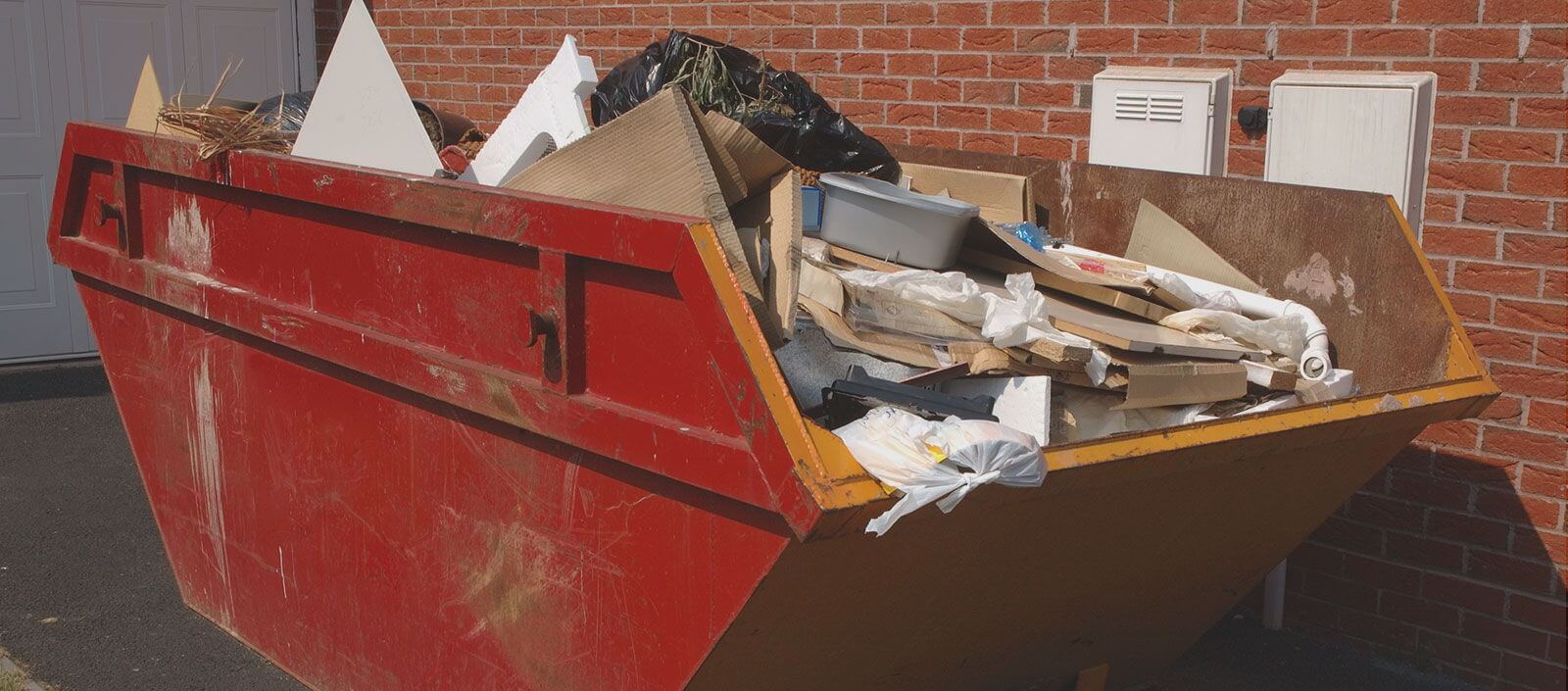
Waste Removal in Tufnell Park
Waste Removal Tufnell Park provides a practical waste removal service for homes, landlords, trades and businesses that need rubbish collected, cleared and taken away in a straightforward way. The service covers common day-to-day clearance needs as well as heavier items, mixed waste and site tidy-ups, with options suited to domestic and commercial settings. If you are comparing ways to clear unwanted items, start with the services overview and then choose the type of removal that matches the job.
Our work is centred on collecting waste from the property, loading it safely and dealing with it through the appropriate route for the material involved. That can include general rubbish, old furniture, appliance disposal, garden waste, builders' debris and the contents of rooms that need to be emptied. For the best fit, it helps to identify what needs removing, how much space it takes up and whether access is straightforward. A clear description makes it easier to request a quotation. See pricing and quotes if you want to understand how enquiries are handled.
From a first uplift to a fuller clearance, we aim to keep the process simple and orderly. Some customers only need a single bulky item removed, while others want several rooms, a shed, an office area or a bin-store cleared in one visit. We can discuss the waste type, the likely load size and any practical constraints so the work is matched to the right solution. If you already know what you need, the next step is to request a quotation.
Household Waste Removal and Rubbish Collection
Domestic waste work usually starts with everyday rubbish, awkward bulky items and mixed household contents that no longer have a useful place in the property. The service is suitable when a room has become cluttered, after a move, following a refurbishment or simply when you want an organised clear-out. A domestic waste collection can cover bags, boxes and loose items, while more targeted removals may be better for larger pieces that need careful handling.
For mixed household waste, it is useful to think in terms of what can be carried, what may need disassembly and which items are classed separately. A single collection may involve soft furnishings, old toys, broken storage, bagged rubbish and other loose materials. When the property also contains heavier furnishings or appliances, it can be helpful to review the specific disposal page before sending your enquiry. A brief list of the main items makes quotation work easier, and a few photographs can help describe the volume more clearly.
When a General Collection Is the Better Fit
A general rubbish collection suits situations where the waste is varied and the exact contents are not all the same type. It is often the right choice for loft bags, garage clutter, excess packaging, old household goods and other items gathered together for removal. Where the waste is mainly mixed and not specialist in nature, rubbish collection in Tufnell Park gives a direct way to clear it without having to split the job into several separate arrangements.
Furniture, Appliances and Bulky Item Disposal
Bulky items need different handling from loose rubbish because they take more space, can be heavy to move and may require planning around doorways, stairs or narrow access. For households and landlords, that often means removing sofas, wardrobes, tables, beds, mattresses or exercise equipment in a single organised load. If a room has several large pieces to go, furniture removal is the natural option; where the item itself is the main problem, the dedicated furniture disposal page may be more suitable.
White goods and appliances are another common category. These items can include washing machines, fridges, freezers, cookers and similar units that may need careful movement and suitable disposal arrangements. The relevant page for appliance disposal helps customers separate this kind of clearance from general furniture work. If you are arranging a mixed uplift, tell us which items are included, whether any are integrated or built in, and whether they are already disconnected. That information keeps the quote focused and avoids unnecessary back-and-forth.
Some bulky removals are best handled as part of a wider room or property clearance rather than as isolated single-item jobs. That approach can be useful when old furniture sits alongside clothes, books, storage units or general clutter. It is also a sensible choice for landlords preparing a property between occupiers. If the job looks broader than one item, request a quotation for the full scope rather than for each piece separately.
Builders' Waste and Commercial Clearances
Trade and business waste often includes heavier, rougher material than ordinary household rubbish. Offcuts, broken plasterboard, packaging, old fittings and renovation debris need to be gathered and removed in a way that keeps the site usable and reduces trip hazards. For property improvement work, builders' waste disposal is designed for that type of load, while the general commercial service is better for stock-room or office waste that is not construction-based.
For offices, shops and other work premises, the clearance question is often about whether the material is ongoing operational waste or a one-off tidy-out. Desks, chairs, archive boxes, shelving, packaging and redundant equipment may need to go together, but they are not always handled in the same way as general rubbish. The commercial waste removal page is the best starting point when the job is tied to business premises and you need a practical collection arranged around the space.
Where premises need to be emptied rather than just tidied, office clearances can help return space to a workable state without leaving separate items behind. That may include desks, meeting furniture, filing, loose equipment and other contents that need lifting and loading as one job. For business customers, it is worth considering whether the project is a regular waste arrangement or a one-off clearance with a fixed end point. If it is the latter, prepare a short description of the rooms or zones involved and ask for a quotation based on the full site.
Furniture Disposal, House Clearance and Loft Clearance
Some jobs are better treated as clearance projects rather than item-by-item removals. A property may contain a mixture of furniture, bags, household goods and older possessions that need sorting before the space can be used properly again. In those cases, house clearance gives a broader way to approach the work, especially where several areas of the property are involved and the contents are not limited to one category.
Lofts often present a different challenge because access may be restricted and the contents may be awkward to move in a safe, orderly way. Boxes, spare furniture, seasonal items and long-stored belongings can build up there over time. The dedicated loft clearance service is useful when the aim is to empty the space rather than merely shift a few loose bags. Access details matter here, because ladders, hatches and stair routes can affect how the work is organised.
House and loft work often overlaps with furniture disposal, but the deciding factor is usually scope. If the main need is to remove a few large items, a disposal page may be enough. If you are opening up a room, a loft or an entire property, the clearance option is likely to be a better fit. Keep your enquiry concise, note whether the items are loose or packed, and mention any hazards or particularly heavy pieces so the quotation reflects the actual work.
About Tufnell Park
Tufnell Park is a residential district in north London, most commonly associated with the London Borough of Islington and parts of the neighbouring boroughs. Its identity is shaped by a mix of late Victorian and Edwardian housing, narrow streets and steady links to the wider city through the Underground. Tufnell Park station sits on the Northern line, while Kentish Town and Archway are nearby transport points that reflect how the area sits between larger districts. The name itself is often used for the immediate neighbourhood around the station and the surrounding streets, rather than as a formal administrative boundary, and that local ambiguity is part of its character. Much of the area developed during London’s suburban expansion in the nineteenth century, when terraced housing and later mansion blocks established a largely residential landscape. Holloway Road, Fortess Road and the roads running towards Dartmouth Park and Kentish Town form part of the everyday fabric, with shops, cafes and small local services mixed among homes. The area also benefits from access to green spaces not far away, including Parliament Hill and the broader stretch of Hampstead Heath to the west, as well as the green corridors that appear further north and east in inner London. Cultural life is modest but varied, with local pubs, community venues and long-established streets giving the district a settled feel. Tufnell Park is not a place of landmark scale, yet its appeal lies in the combination of dense housing, walkable streets and the practical connection between neighbourhood life and central London.
Garden Waste, Recycling and Practical Sorting
Outdoor waste is usually easier to manage when it is separated from indoor rubbish, because garden material tends to be lighter, more uneven and more seasonal. Branches, prunings, hedge cuttings, turf, soil in limited amounts and old planters are typical examples. The garden waste removal service is suitable for these jobs, particularly where bags, piles or mixed outdoor debris have built up after maintenance or landscaping. It is sensible to note whether the waste is dry, wet, bagged or loose.
For customers who want to understand how removed items are handled, the recycling information is worth a look. Different waste types are often separated by material, with some items requiring specific disposal routes and others suitable for recycling streams. That is why the recycling and sustainability page sits alongside the core services: it helps explain the approach taken to disposal and the general handling of recoverable materials. If your job includes a mixture of wood, metal, soil, plastics or household goods, mention the blend clearly so the load can be assessed more accurately.
- List the main item types rather than just saying “miscellaneous waste”.
- Note whether the waste is loose, bagged, stacked or already gathered.
- Mention stairs, narrow access or other practical restrictions.
- Separate indoor items from garden or building waste where possible.
That small amount of preparation is usually enough to support a clearer quotation without creating unnecessary work for you. If a removal includes both outdoor waste and indoor clutter, explain the balance between them so the right service can be suggested. A short description is often better than a long message, as long as it covers what needs to go and any items that deserve special mention. You can request a quotation once those basics are ready.
Pricing, Safety and Compliance
For many customers, the main question is not only what can be removed but how the job is priced and managed. Waste work is usually influenced by the volume of material, the type of items, where they are located in the property and how straightforward loading will be. That means a single item, a mixed room and a larger clearance may all need different handling. The pricing and quotes page is useful if you want a better sense of how the service is described before you send details.
Safety and compliance are part of any organised waste service, especially where heavy items, sharp edges, dusty material or difficult access are involved. If you want to understand the general approach to these matters, the insurance and safety page and the compliance information page are sensible references. They sit alongside the service pages and help explain how collections are handled in a responsible way. This is also where it helps to be accurate about what is being moved, because a precise description reduces the risk of misunderstanding.
Two practical points make most enquiries smoother: first, decide whether you are asking about one specific item or a wider load; second, say whether the material is already assembled for collection or still spread through the property. If you are unsure, it is still worth asking. A short, plain request is enough for a quotation, and the final step is to choose the service page that best matches the job before you make contact.
Getting a Quotation for Waste Removal in Tufnell Park
If you need waste removal in Tufnell Park for household rubbish, bulky furniture, appliances, garden material, builders' debris or a fuller clearance, the most useful next step is to outline the items and the space involved. You do not need a long brief; a clear summary is usually enough for the work to be considered properly. For the main quote route, use the contact us page and include the type of waste, the approximate amount and any access notes that matter.
When the job is straightforward, a service-specific page can help you frame the request more accurately. That may be the furniture disposal page for a few large items, the office clearance page for business premises, or the general waste removal page if the job is mixed and you are not sure which route fits best. The aim is to match the enquiry to the right kind of collection, rather than forcing everything into one description.
Send through the details and ask for a quotation when you are ready. If the waste is already grouped together, mention that as well; if not, simply describe where it is and what needs to be taken. We can then look at the scope of the job and arrange the next step in a practical way.