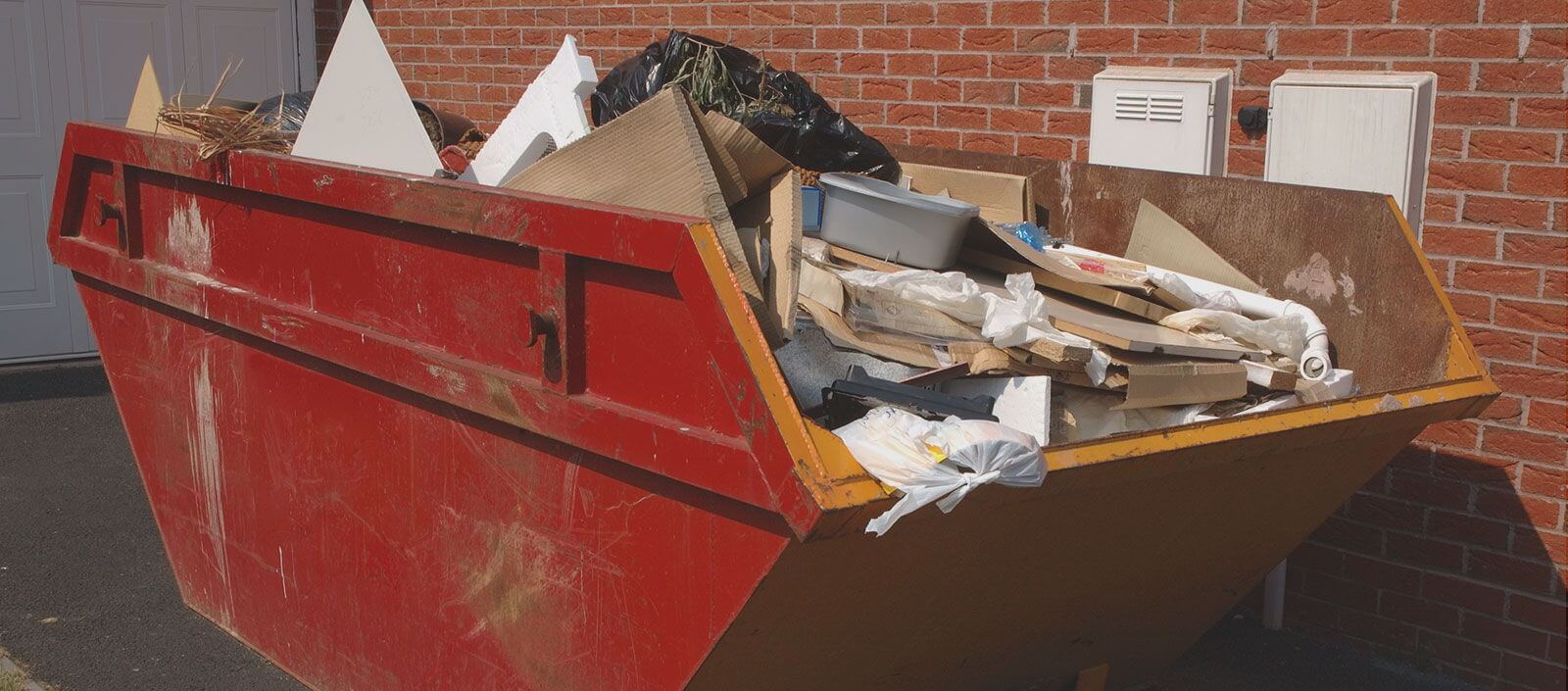
Rubbish removal Fortess Road Tufnell Park N19 guide
Posted on 27/07/2026
If you live, work, or are managing a property near Fortess Road, you'll know rubbish has a way of building up quietly and then suddenly becoming urgent. One minute it's a few broken items by the hall, the next it's old furniture, mixed bags, and a skip-sized headache you did not plan for. This Rubbish removal Fortess Road Tufnell Park N19 guide is designed to make the whole process feel a lot less messy. It explains how local rubbish removal usually works, what to look for in a provider, how to stay on the right side of compliance, and where different services make the most sense.
Whether you're clearing a flat off Fortess Road, emptying a loft, tidying a garden after a weekend project, or handling office waste, the key is simple: choose the right method for the job, and avoid paying for more than you need. That sounds obvious, but in real life people often rush it. Let's take it step by step.
Why Rubbish removal Fortess Road Tufnell Park N19 guide Matters
Fortess Road sits in a part of North London where space is often at a premium. Flats are compact, stairways can be awkward, and access can be tricky during busy periods. That means rubbish removal isn't just a tidying job; it's often a logistical one. If you've got bulky waste outside a property for too long, it can create problems with neighbours, access, hygiene, and, frankly, your own sanity.
It also matters because waste is not all the same. A couple of bin bags is one thing. A broken wardrobe, mixed DIY debris, a mattress, or old appliances is another. Different items need different handling, and it is much easier to sort that out before collection day than after a van turns up and you're still dragging a dismantled bed frame down the stairs.
There's also an environmental angle. Choosing a responsible service helps reduce avoidable landfill use and improves sorting for reuse and recycling. If that part matters to you, it should, then it's worth reading more about the environmental impacts of modern waste disposal methods and how everyday disposal choices add up over time.
Key point: the best rubbish removal choice near Fortess Road is not always the cheapest or the fastest. It's the one that fits the type of waste, the access conditions, and the level of urgency without creating extra work later.
How Rubbish removal Fortess Road Tufnell Park N19 guide Works
At its simplest, rubbish removal is a collection service for waste that is too bulky, too awkward, or too much for your regular bins. In practice, it often starts with a quick description of the load: what you have, how much there is, and where it's located. From there, a provider can usually estimate the vehicle size, crew time, and disposal route.
For local homes and businesses, the process tends to follow a similar pattern:
- Identify the waste - household rubbish, furniture, white goods, garden cuttings, builders' waste, office clear-out items, or mixed junk.
- Estimate volume - a single item, a few bags, half a van, or a full load.
- Check access - front doorstep, basement, top-floor flat, rear alley, loading bay, or permit-restricted street.
- Choose the right service - one-off collection, clearance, or a broader waste removal job.
- Prepare the items - bag loose waste, separate sharp or hazardous items, and make sure collection points are safe.
- Collection and sorting - items are taken away and routed for reuse, recycling, or disposal where possible.
That last part matters more than people think. A proper provider should not just shovel everything into a vehicle and hope for the best. Mixed waste may need sorting, and reusable items may be set aside where appropriate. If you want a broader sense of the services that sit around this process, the services overview is a useful starting point.
In a street like Fortess Road, timing can be a small but important detail. Early starts, narrow pavements, and passing traffic mean a collection that is well organised can save a lot of hassle. Truth be told, five minutes of planning can save an hour of faffing around with a mattress in the hallway.
Key Benefits and Practical Advantages
Rubbish removal is not just about getting rid of things. Done well, it creates breathing room. That sounds a bit soft until you've stood in a cramped flat with a pile of old furniture blocking the route to the kitchen. Then it feels very real indeed.
- Saves time: no need for repeated trips to a tip or donation point.
- Reduces physical strain: useful for bulky items, heavy bags, and awkward staircases.
- Improves safety: fewer trip hazards, broken items, and sharp edges around the property.
- Helps with presentation: a clear space looks better for lettings, sales, renovations, or events.
- Supports better sorting: a responsible collection can improve recycling outcomes.
- Fits local access realities: especially helpful where parking or loading is limited.
There's a commercial side too. For landlords, letting agents, and small businesses around Tufnell Park, quick clearance can reduce void periods, keep premises presentable, and make handovers easier. For homeowners, it can turn a stalled declutter into a finishable task, which is sometimes half the battle.
If you're comparing responsible disposal choices, it's also worth looking at recycling and sustainability so you can see how materials may be handled after collection. Small decisions there can make a surprisingly meaningful difference.
Who This Is For and When It Makes Sense
This guide is useful if you are dealing with any of the following:
- End-of-tenancy clear-outs
- Flat refurbishments or light DIY projects
- Replacing furniture or white goods
- Garden cuttings after seasonal work
- Office or shop clearances
- House moves where unwanted items have piled up
- Loft or cellar clearances
- General household clutter that has outgrown the storage space
It makes sense to use rubbish removal when the waste is too large, too mixed, or too time-sensitive for normal household disposal. A single sofa, for example, can be a nuisance to move and dispose of properly. A dozen bags of mixed items after a clear-out is even more so. If the waste is mainly domestic and you want a straightforward pickup, a domestic waste collection in Tufnell Park may be the neatest fit.
For heavier or more specific jobs, better matches often exist. That might mean furniture removal for bulky items, builders' waste disposal for renovation debris, or office clearance for business premises. Choosing the right category early keeps everything cleaner and usually more efficient.
One local reality: if you're on a tight schedule, the "I'll sort it later" approach tends to backfire. Boxes multiply. Bags breed. It happens quietly.
Step-by-Step Guidance
If you want the process to go smoothly, treat it like a small project rather than a panic job. Here's a practical way to handle it.
1. Walk the property properly
Start in the rooms where clutter has collected, then move through storage areas, lofts, gardens, and communal spaces. Make a rough list of the main items. You do not need a perfect inventory, just enough to understand the scale. A quick room-by-room walk is usually more reliable than guessing from memory.
2. Separate the obvious categories
Put furniture together, bag loose rubbish, and keep appliances away from soft furnishings if possible. Garden waste should stay separate from general household waste. If there are builders' materials, keep those distinct too. The cleaner the split, the easier it is to estimate and load.
3. Flag awkward or risky items
Things like fridges, washing machines, old paint, sharp metal, broken glass, and anything potentially hazardous need special care. Don't leave this until collection day. Mention it upfront. That way, nobody arrives surprised, and you avoid a last-minute scramble. Not ideal.
4. Check access and timing
In Fortess Road and the wider Tufnell Park area, access can change the entire job. Think about parking, entry codes, stairwells, basement flats, and whether items need carrying through shared areas. If there are time restrictions, mention those too.
5. Confirm what happens to the waste
It's sensible to ask how the waste is handled after collection. Good practice usually includes sorting for reuse and recycling where possible, and clear information about disposal routes. If you want to compare payment clarity alongside service clarity, you can also review pricing and quotes and payment and security before booking.
6. Prepare the collection point
Make the waste as accessible as you safely can. Keep pathways clear. If possible, place bags and items in one spot rather than scattered around the property. It makes the crew faster and keeps the whole thing less chaotic. A tidy staging area is one of those small wins that pays off immediately.
Expert Tips for Better Results
Here are the things that tend to separate a smooth collection from a slightly stressful one.
- Book by waste type, not just by size. A half-load of mixed heavy items can be more awkward than a larger load of light cardboard.
- Photograph the load before booking. A few clear pictures help avoid misunderstandings.
- Keep access notes short and precise. "Top-floor flat, no lift, parking on permit street" says more than a long explanation.
- Ask what is excluded. Some items may need special treatment, especially if they are hazardous or unusually heavy.
- Plan around neighbours. In shared buildings, a noisy or crowded corridor can quickly become everyone's business.
- Group similar items together. It speeds up loading and often makes recycling easier.
Another useful habit is to clear a little more than you planned. If you're already removing one sofa, there's often an old lamp, side table, or box of forgotten bits that can go too. Not always, but often enough.
For homeowners preparing a property for sale or rent, a clean-out can be part of a wider move. If that's your situation, the local insight in navigating Tufnell Park real estate and considering Tufnell Park local advice can help you think more strategically about timing and presentation.
Common Mistakes to Avoid
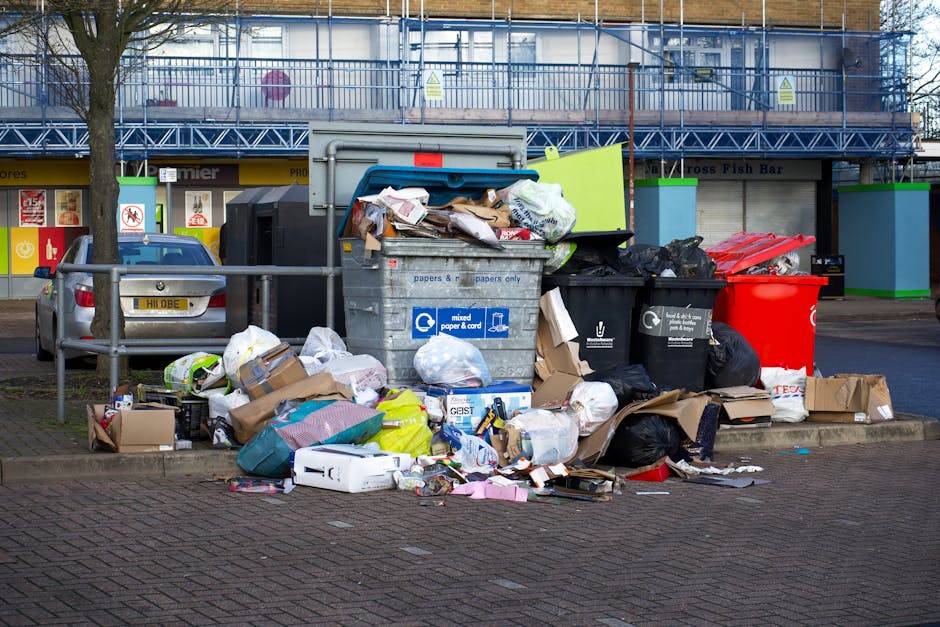
Most rubbish removal problems are avoidable. The same few mistakes crop up again and again.
- Mixing waste types blindly: garden waste, builders' rubble, and furniture all have different handling needs.
- Underestimating volume: a "few bits" can grow into a very full van.
- Ignoring access issues: narrow stairs and parking constraints can change the job plan.
- Leaving it all until the last minute: rushed jobs cost more energy and usually more money.
- Forgetting about shared spaces: communal hallways and front steps should stay safe and clear.
- Choosing purely on price: the cheapest option is not always the right one, especially if there are compliance gaps.
There's also a subtle mistake people make: assuming all removal services are interchangeable. They aren't. A general rubbish collection, a furniture disposal job, and a full house clearance may overlap, but they solve different problems. Picking the wrong one can lead to wasted time and awkward add-ons later.
Expert summary: the cleanest rubbish removal jobs are usually the ones where the waste is sorted, access is explained clearly, and the provider knows exactly what they are taking before they arrive. Simple, but easy to get wrong.
Tools, Resources and Recommendations
You do not need a warehouse full of gear to prepare for rubbish removal, but a few basics help a lot.
- Strong bin bags for loose household waste
- Marker pens or labels if you want to separate item groups
- Gloves for handling rough or dusty materials
- Basic tape measure if you're estimating furniture size or access widths
- Phone camera for quick photos of the load
- Trolley or sack truck if you are moving items within the property
Beyond the basics, it helps to know which service type best fits your load. For example, furniture disposal in Tufnell Park makes sense for bulky domestic pieces that are no longer usable, while white goods and appliance disposal is more suitable for fridges, cookers, and washing machines. If your job is a full clear-out, house clearance may be more efficient than treating every item separately.
For a smaller, more general pickup, rubbish collection in Tufnell Park is a useful option to explore. And if the job is broader than one collection, waste removal can cover a wider mix of needs.
One more thing: if the work is happening in a loft, basement, or awkward access space, take your time. A couple of careful lifts beat a rushed slip every day of the week.
Law, Compliance, Standards, or Best Practice
Waste handling in the UK is not something to be casual about. You do not need to memorise legislation to make a sensible choice, but you should understand the basics of duty of care. In plain English, that means your waste should go to a legitimate carrier and be handled responsibly. If a provider is vague about where rubbish goes, that's a red flag.
It is also good practice to use a properly registered waste carrier, keep records where appropriate, and be careful with items that could be considered hazardous or restricted. That includes some electrical items, chemicals, paints, batteries, and other materials that shouldn't just be lumped into a mixed pile. A reputable service should be able to explain how these items are handled.
Safety matters too. Heavy lifting, sharp edges, damp waste, and awkward stair carries can all create risk. If you're moving items yourself before collection, keep paths clear and don't overfill bags. For extra reassurance on this side of things, the insurance and safety information is worth a look.
Finally, if accessibility is an issue-whether that means step-free entry, limited mobility, or building layout challenges-it's reasonable to ask for adjustments or practical alternatives. Good providers should be able to work around real-world constraints. The accessibility statement is helpful context if you need to understand how access needs are approached.
Good practice in one line: be clear about the waste, honest about access, and careful about who handles the load.
Options, Methods, or Comparison Table
Different rubbish removal routes suit different situations. Here's a simple comparison to help you choose without overthinking it.
| Method | Best for | Strengths | Watch-outs |
|---|---|---|---|
| General rubbish collection | Mixed household clutter, bags, small bulky items | Quick, flexible, straightforward | May not suit specialist waste types |
| Furniture removal | Sofas, beds, wardrobes, tables | Efficient for large pieces | Access and dismantling may be needed |
| House clearance | Whole rooms, flats, probate or moving-out jobs | Covers lots of items in one visit | Can be overkill for small loads |
| Builders' waste disposal | Rubble, timber, tiles, renovation debris | Designed for heavier, messier waste | Mixed materials may need sorting |
| Office clearance | Desks, chairs, filing, commercial clean-outs | Useful for business handovers | May need planning around working hours |
| Garden waste removal | Branches, soil, hedge trimmings, cuttings | Keeps green waste separate | Wet or heavy loads can add weight fast |
If you're unsure which route is best, think about the dominant waste type first. Then think about volume. Then access. In that order. People often do it the other way round and end up overcomplicating things. Happens all the time.
Case Study or Real-World Example
A typical Fortess Road scenario might look like this. A tenant moves out of a two-bedroom flat and leaves behind a broken wardrobe, a bed frame, three bags of mixed rubbish, an old kettle, and a couple of boxes from a cupboard no one wanted to open. Nothing dramatic. Just enough to be annoying.
The first instinct is usually to keep moving the pile from room to room. That rarely helps. A better approach is to identify what can be grouped together: furniture in one corner, loose waste bagged, appliances listed separately, and anything sharp or breakable set aside. Once the items are organised, a collection becomes much easier to estimate and much faster to complete.
In a real-life job like this, the biggest time saver is often access. If the crew knows there's no lift, that parking is limited, and the items are on the second floor, they can prepare properly. No drama, no guesswork. And if the job is actually larger than first thought, the service can be scaled to fit. That is much better than finding out halfway through the day that the "small clearance" is actually a full-on relocation of forgotten life admin.
For a move like this, the right solution might be a combination: furniture removal for the bed and wardrobe, domestic waste collection for the bags, and perhaps a broader waste removal visit if there are extra odds and ends. The point is not to force every item into the same bucket. The point is to keep it practical.
Practical Checklist
Use this before you book or carry anything out to the kerb.
- List the main waste types
- Estimate how much there is
- Check if any items are heavy, sharp, or awkward
- Confirm access details, including stairs and parking
- Separate reusable items from true rubbish where possible
- Bag loose waste securely
- Keep communal walkways clear
- Take photos if you want to explain the load clearly
- Ask how the waste will be handled after collection
- Review the provider's pricing, payment, and safety information
That's the practical version. Nothing fancy. But it works.
Conclusion
Rubbish removal near Fortess Road in Tufnell Park N19 is really about making a messy situation manageable. Once you understand the waste type, the access, and the right service, the job becomes much simpler. You do not need to solve everything at once. You just need to make the next sensible move.
If you are clearing a flat, emptying a loft, replacing furniture, or sorting out a business space, the best results come from clear information and a service matched to the task. Keep the load organised, ask direct questions, and choose a route that respects both your time and the local environment. That's the calm way through it, and usually the most efficient too.
Get a free quote today and see how much you can save.
And if all you do today is clear one corner of one room, that still counts. Small progress is still progress.